
Do You Need a Permit for a Shipping Container?
November 9, 2026
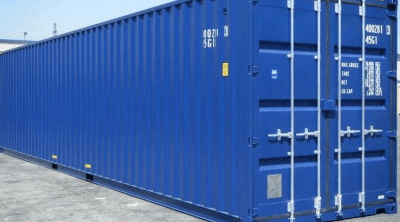
Often, no — a shipping container used as temporary storage on private property frequently requires no permit at all. You are most likely to need one when the container becomes permanent, sits in a residential zone, gets modified, or will be occupied. Rules vary widely by city and county, so a five-minute call to your local building department is the only answer you can fully trust.
Zoning permits vs building permits
These answer two different questions. Zoning asks whether a container is allowed on that land at all — setbacks from property lines, lot coverage, visibility from the street, and accessory-structure rules. A building permit asks whether the structure itself meets code, and it is usually triggered by a permanent foundation, utility connections, or structural modification. A plain storage container sitting on a gravel pad often falls under neither; the same container bolted to a slab and wired for power usually involves both.
Temporary vs permanent placement
| Situation | Typical permit picture |
|---|---|
| Short-term jobsite or moving storage | Rarely required; often exempt as temporary |
| Container on gravel in a rural or agricultural zone | Often none — but confirm setbacks |
| Long-term placement in a residential zone | Frequently needs zoning approval as an accessory structure |
| Permanent foundation, utilities, or structural changes | Usually a building permit |
| Occupied space such as an office or cabin | Building permit plus full code compliance, nearly always |
Many jurisdictions allow a container for a limited window — during construction or a move — before it counts as permanent. That grace period is one reason renting a container for a short project is often the simplest route: it arrives, works, and leaves before the paperwork question matures.
HOA rules are a separate gate
Even where the county does not care, a homeowners association might. CC&Rs commonly restrict visible storage structures, limit how long one can stay, or require screening behind a fence line. Check before delivery day — HOA letters tend to arrive faster than county ones, and a container is hard to hide.
When building codes typically apply
Cutting window or door openings, stacking units, running electrical or plumbing, or turning a container into occupied space moves you firmly into building-code territory, often with engineered drawings. Keep the division of labor in mind: we supply the container; licensed local contractors handle modifications, and they usually know the local inspector's expectations. If this is your first container, our guide on how to buy a shipping container walks through the whole process from quote to placement.
The short version
Temporary storage on private land usually needs no permit; permanence, residential zoning, modifications and occupancy are the triggers that change the answer. Zoning decides whether the container can be there, a building permit governs what you do to it, and your HOA gets its own vote. One call to your building department before delivery settles it for your address. Then get a free guaranteed-lowest-price quote — buy, rent or rent-to-own, delivered nationwide in 3–7 business days.
Related articles
- How to Insulate a Shipping Container
- Shipping Container Weights & Specs: Tare, Payload and Max Gross
- Shipping Container Modifications: Doors, Windows, Power and More