
How to Insulate a Shipping Container
November 9, 2026
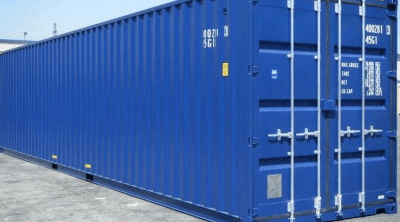
The most effective way to insulate a shipping container is closed-cell spray foam applied to the interior walls and ceiling, because it insulates and vapor-seals the steel in one step. Rigid foam panels and batt or blanket insulation also work when installed over interior framing with a dedicated vapor barrier. Your climate, your budget, and how much interior width you can afford to lose decide which method wins.
Condensation is the real enemy
Corten steel conducts heat almost perfectly, so a container's interior surface tracks the outdoor temperature. When warm, moist air inside touches that cold steel, it condenses — the "container rain" that soaks stored goods and rusts a box from the inside out. That means every insulation plan is really a moisture plan: the insulation must either be impermeable itself (closed-cell foam) or be paired with a properly sealed vapor barrier. Skipping that step in a humid climate is the single most common insulation mistake.
The three main methods
| Method | Insulating power | Interior width lost | Best fit |
|---|---|---|---|
| Closed-cell spray foam | Highest per inch (around R-6 per inch) and vapor-seals as it cures | Least — a few inches total | Humid, cold, or mixed climates; offices and workshops |
| Rigid foam panels | High per inch; seams must be taped or backed by a vapor barrier | Moderate — panels plus furring strips | Drier climates and hands-on build-outs |
| Batt or blanket | Lowest per inch, and it only works if it stays dry | Most — full stud walls on both sides | Mild, dry climates on a tight budget |
A standard container is 8 feet wide outside but only about 7 feet 8 inches inside, so every inch of insulation comes straight out of usable space. Spray foam preserves the most width; framed batt walls cost the most. If headroom matters too, start from a high cube — the container size guide has exact interior figures for every length.
Let your climate choose
In humid Southeastern and coastal climates, closed-cell spray foam is close to mandatory because it stops condensation at the steel. In cold Northern climates, total thickness matters most, so spray foam or thick rigid panels win. In hot, dry climates you can often get away with less: rigid panels or even a radiant barrier plus good ventilation keep a storage unit workable without giving up much width.
Who does the install
We supply the container; a local contractor handles insulation and build-out. Spray foam in particular is professional work — it takes a rig, protective gear, and trimming once cured. Starting from a new one-trip container gives the cleanest steel for foam adhesion, though a solid used container works fine once surface rust is treated and sealed. Order the box delivered to your site first, then insulate in place.
The short version
Closed-cell spray foam is the best all-around container insulation because it insulates and blocks condensation in one pass; rigid panels suit drier climates and batt only makes sense where moisture is rare. Expect to trade a few inches of interior width for comfort, and let a local contractor do the install while we handle the box. Humid or cold climate: spray foam. Dry climate: panels can be enough. Get a free guaranteed-lowest-price quote — buy, rent, or rent-to-own — with nationwide delivery in 3–7 business days.
Related articles
- Shipping Container Weights & Specs: Tare, Payload and Max Gross
- Shipping Container Modifications: Doors, Windows, Power and More
- Shipping Container Site Prep & Foundations: Gravel, Piers or Slab?