
Shipping Container Maintenance: Rust, Roof Care and Repairs
November 9, 2026
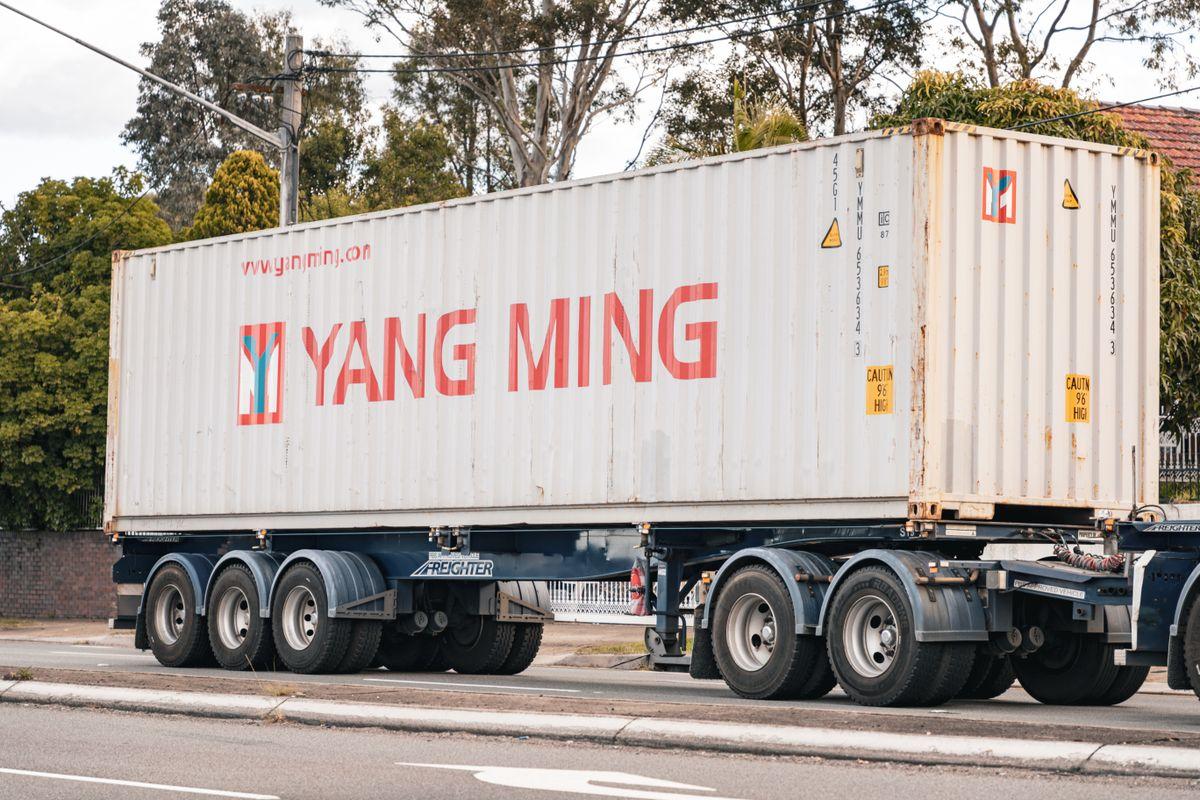
Shipping containers need remarkably little maintenance: inspect twice a year, treat surface rust before it spreads, keep the roof clear of water and debris, and keep the door hardware moving. Do that, and a container that arrived wind and water tight stays that way for decades. The whole routine takes an afternoon per visit.
Surface rust vs structural rust
Most rust you will ever see on a container is cosmetic: orange bloom on scratches, dents and weld seams where paint has broken. The fix is simple — sand to clean metal, apply a rust-inhibiting primer, and top-coat. Structural rust is different: flaking, scaling steel or soft spots, usually at the roof seams, bottom rails and door corners where water lingers. That calls for cutting and patching, which is welding work for a local contractor — we supply containers; local pros handle repairs and modifications.
The roof ages first
A container roof is nearly flat, so small dents become ponds and ponds become rust. Check it from a ladder each visit: sweep off leaves and debris, look for standing water marks, and touch up any paint breaks. Avoid walking the center panels of an older roof — they are the thinnest steel on the box.
Doors, hinges and gaskets
The doors are what make a container weatherproof. Grease the hinge pins and cam-rod mechanisms so they swing freely — a door forced against seized hardware bends its own geometry. Inspect the rubber gaskets around both doors; cracked or compressed rubber is the most common reason a solid container starts leaking, and gasket replacement is a cheap, standard job.
Seasonal checklist
| Season | What to do |
|---|---|
| Spring | Wash the roof, inspect for winter damage, confirm water still drains away from the pad |
| Summer | Do paint touch-ups in dry weather; lubricate hinges and lock rods |
| Fall | Clear leaves and debris off the roof; test the door seal before the wet season |
| Winter | Knock heavy snow off the roof; check interior ceiling and walls for leaks or condensation |
Repairs, repainting and when to just buy better
For a full repaint, use a direct-to-metal or marine-grade coating over a clean, scuffed surface — it is the single biggest life-extender for an older box. But maintenance load is mostly decided the day you buy: a one-trip unit needs almost none for years, while an older used container may need gaskets and touch-ups from the start. Our grades guide shows what each grade implies, and a well-kept storage container holds its resale value if you ever move on.
The short version
Inspect twice a year: treat surface rust with sand-prime-paint before it spreads, keep the roof clear of water and debris, grease the door hardware, and replace tired gaskets. Structural rust at seams, rails and door corners is contractor territory — patch it early and the box serves for decades. The grade you buy sets how much of this you will ever do. Get a free guaranteed-lowest-price quote — buy, rent or rent-to-own, with nationwide delivery in 3–7 business days.
Related articles
- How to Insulate a Shipping Container
- Shipping Container Weights & Specs: Tare, Payload and Max Gross
- Shipping Container Modifications: Doors, Windows, Power and More