Can Shipping Containers Handle Hurricanes and Heavy Snow?
November 9, 2026
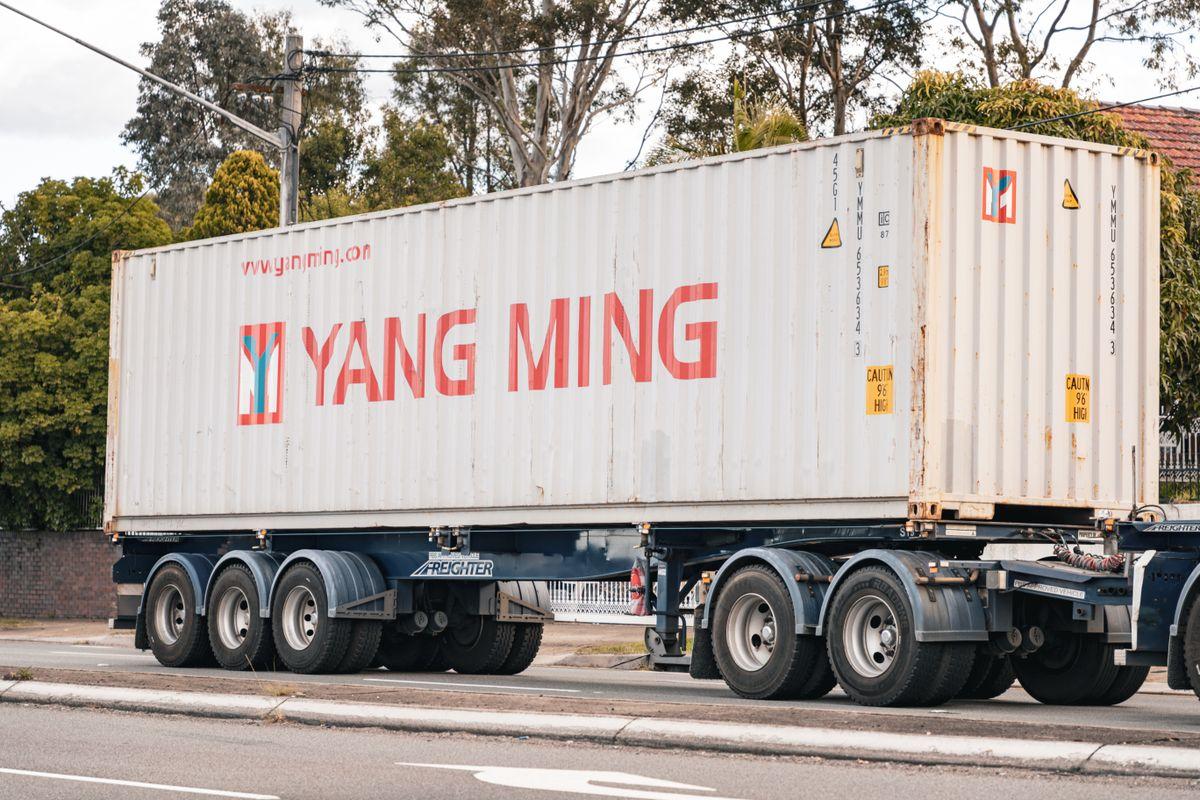
Shipping containers handle severe weather exceptionally well for a simple reason: they're built to cross oceans stacked on a ship's deck in storm conditions. The frame and corner posts are enormously strong; the practical limits are the thin roof panels under concentrated point loads, and an empty, unanchored box's exposure to extreme wind.
Where the strength actually is
A container's structure concentrates in its four corner posts and welded steel frame. At sea, loaded containers ride stacked many units high, so the posts are engineered to carry massive vertical loads passed corner to corner. The corrugated Corten steel walls add shear strength on top of that. It's why a conex box routinely shrugs off weather that flattens wooden sheds — the shell was designed for far worse than a backyard sees.
Snow: strong frame, soft middle
Distributed snow across a container roof is rarely a problem — the frame carrying it is the same one rated for stacked containers. The caveat is point loads: the roof panels between the rails are thin steel designed to shed water, not to carry concentrated weight. Don't let a dense, wet drift sit mid-roof all season, and don't store heavy gear on the roof. In serious snow country, rake the roof occasionally or add a simple sloped cover over the box, exactly as you would protect any flat-roofed storage container.
Wind: weight and anchoring decide it
A loaded container is heavy enough that wind rarely moves it. An empty one is a different story — a 40ft box presents a large sail area, and empty containers are far more vulnerable to sliding or tipping in extreme wind than loaded ones. The fix is anchoring:
| Anchoring method | How it works | Best suited to |
|---|---|---|
| Twist-lock foundations | Corner castings lock onto fittings embedded in concrete | Permanent placements, high-wind zones |
| Tie-down straps or cables | Run from corner castings to concrete piers or deadmen | Semi-permanent sites |
| Screw-in ground anchors | Earth augers cabled to the corners | Soil sites, faster installs |
| Cargo weight | A loaded box resists movement far better than an empty one | Everyday storage |
In hurricane zones, local codes often require engineered anchoring with sign-off from a licensed engineer. Build that into the plan rather than guessing — the corner castings give an engineer ideal, standardized attachment points.
About advertised "wind ratings"
You'll sometimes see containers marketed with specific wind-speed certifications. Treat those claims cautiously: real-world performance depends on the anchoring system, the site and the load, not the box alone, and we won't quote a number the steel can't promise by itself. The honest version is this — anchored and maintained, a container is among the most storm-resistant structures you can place without constructing a building; empty and unanchored, it can move in extreme wind.
The short version
Container strength lives in the corner posts and welded frame, built for ocean stacking; the thin roof panels just need protection from concentrated point loads, and empty boxes need anchoring where big wind is possible. Twist-lock foundations, tie-downs and ground anchors cover most sites, with engineer sign-off where hurricane codes demand it. Shipping Container World delivers wind- and water-tight containers nationwide by tilt-bed truck in 3–7 business days — see container delivery — with a guaranteed lowest price. Get a free quote to buy, rent or rent-to-own.
Related articles
- How to Insulate a Shipping Container
- Shipping Container Weights & Specs: Tare, Payload and Max Gross
- Shipping Container Modifications: Doors, Windows, Power and More